The trip truly began on the second day, when we travelled out of the main Seoul area to Paju. Paju is a bit of an off the beaten road for international tourists I think. Prior to the trip, I took a look at how we could get there by ourselves, and well…emailed the local tour guide to see if we could get it included in our itinerary. That’s how difficult to get to it. It was however, a suggested place to go, so why not?
Aside from the demilitarised zone (DMZ) it had several developed arts enclaves. Unfortunately we only had time to visit two! On the way there, we did pass by the guarded fences and watchtowers and all. I would love to go to Paju again to take a look at some of the other attractions.
Provence Village / Town
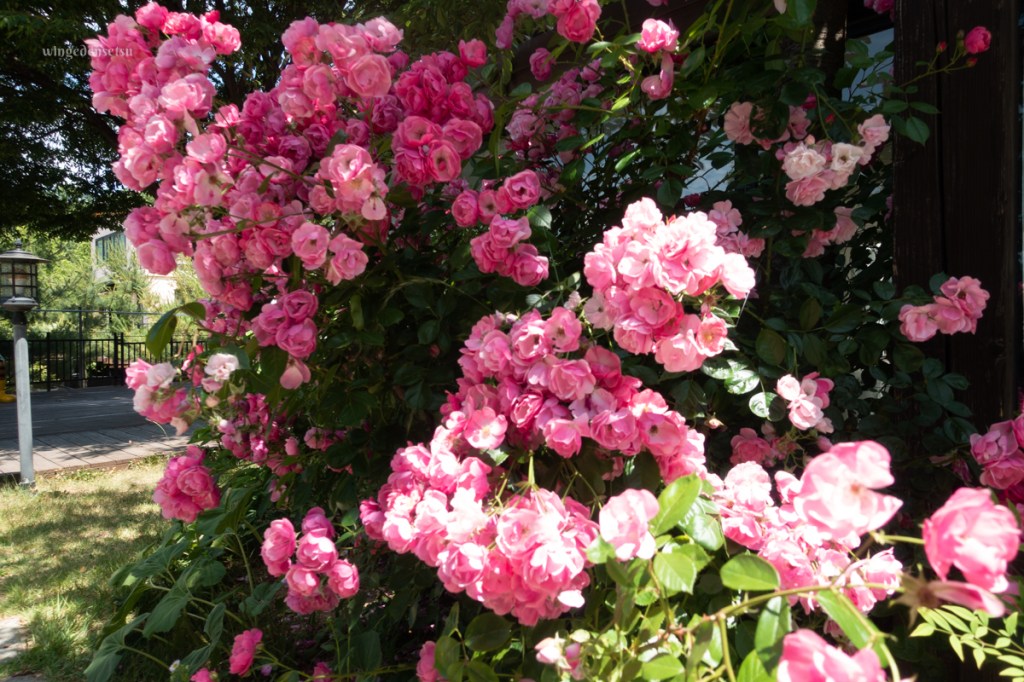
The first stop was Provence Village (or “Town” says the sign). The village was pretty small, and because we reached early, and quite likely because of covid, most of the shops were closed. Roses were still in season, so we saw a lot of those around the village. Generally it’s a really pretty and very instagrammable place.
Apparently the village boasts a bakery famous for its garlic bread. The bread is crispy and buttery with a sprinkle of sugar on top. The garlic taste isn’t as strong as the smell. Overall, decent, but not quite my taste.
Heyri Art Village / Valley
The Heyri Art Village hosts many number of museums and workshops – all with varying interesting architecture. It also houses Seoul Action School (Martial Arts Center) where actors practice or train the fighting moves for their movies. Aside from these, the neighbourhood apparently attracts residents the likes of artists, artistes and celebrities.
I noticed that the area was quiet, just like Provence Village / Town. The museum that we were supposed to go for was closed because seems like everyone had their own opening hours in contrary to whatever is stated on the internet.
Fortunately there were a couple of museums that were open – the Coca Cola museum as well as a retro Korea museum (sorry didn’t recall the exact name). We visited the latter – and the museum is just wow. The arrangement had us going up and down the stairs, ducking through doorways and avoiding holes depicting toilet and actual thresholds. Pretty interesting stuff.
Paju Kodari
Lunch was at an eatery, perhaps restaurant? a bit away from Provence Village. Here, we were introduced to a traditional Korean meal, with the “kodari” fish (codfish). The meal portion was huge! Aside from three codfishes, there were vegetables and rice cakes. A Korean meal would not be complete without the side dishes. Here, they were kimchi, peanuts and some others. Pajeon (Korean pancake) was complimentary.
Munjiri 535 Cafe
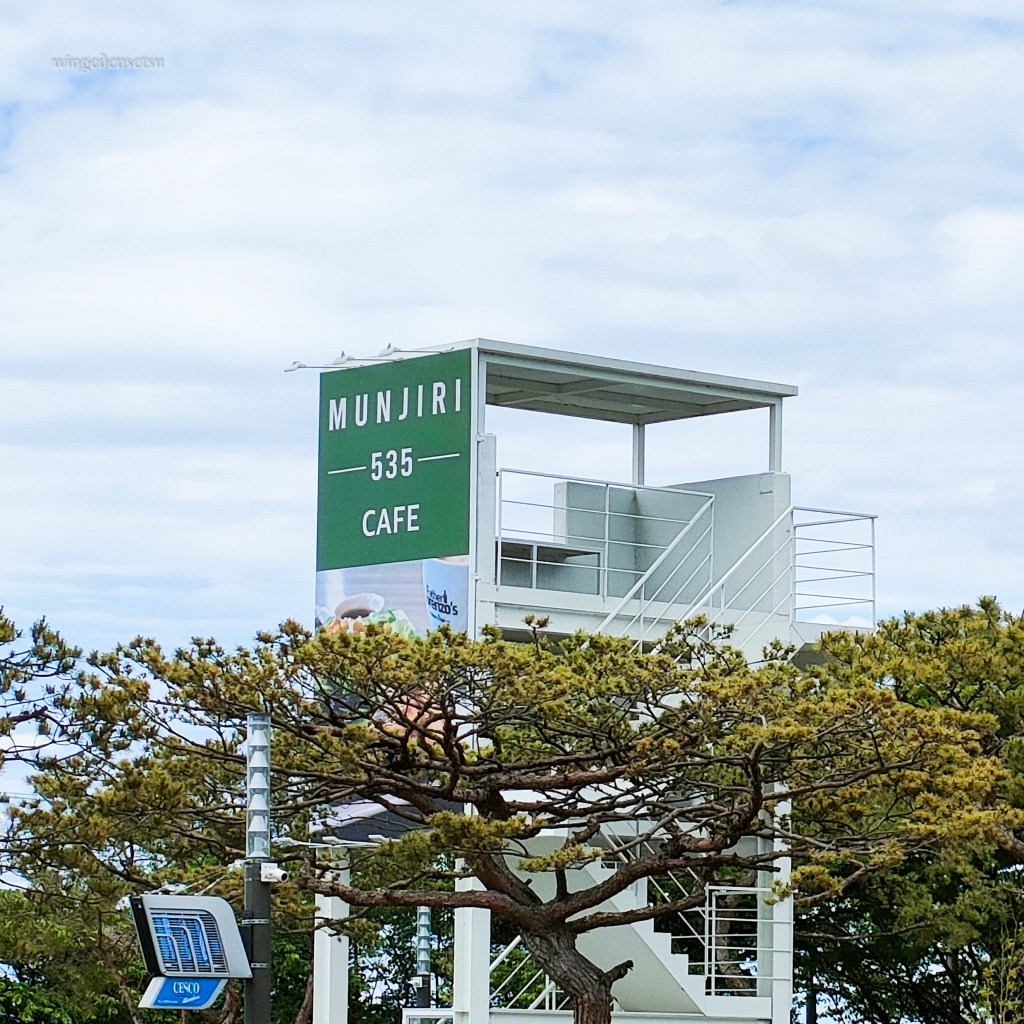
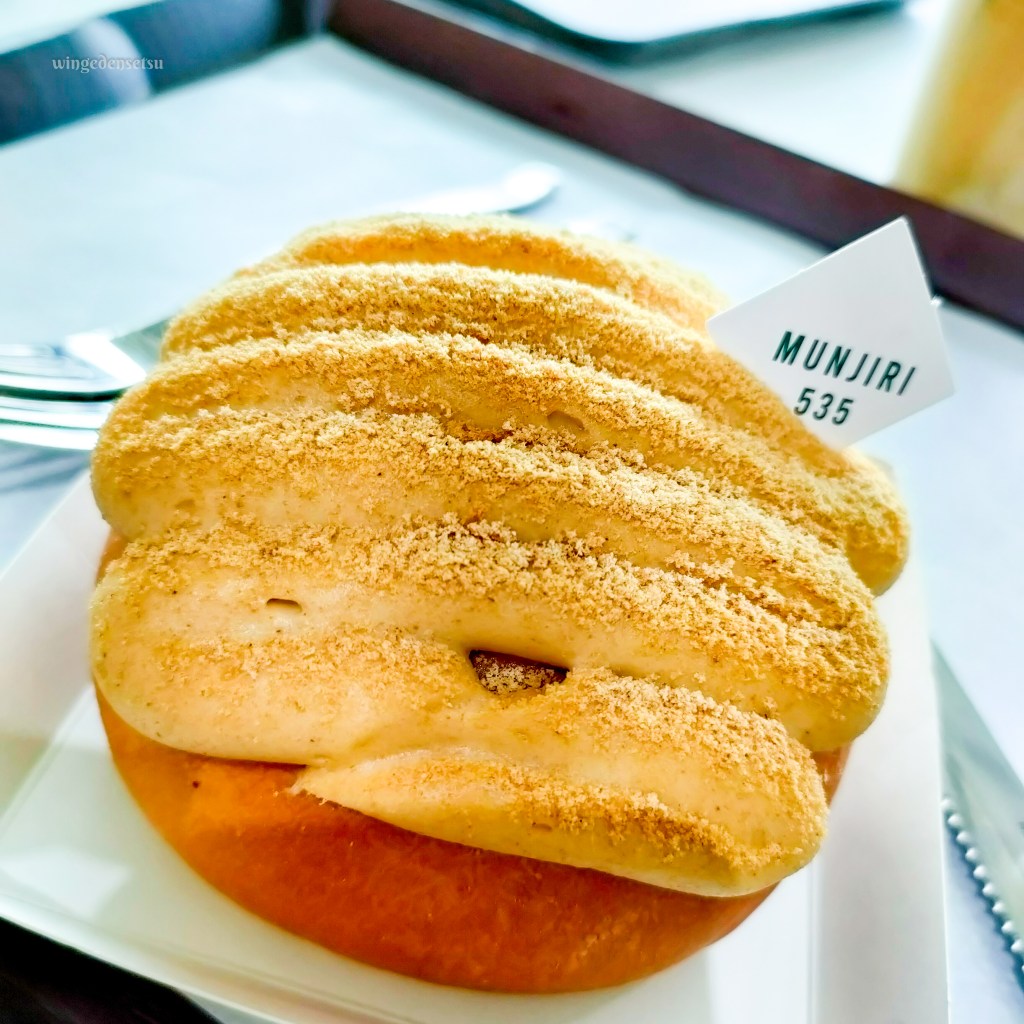
We made an additional food stop after Heyri Art Village / Valley. Munjiri Cafe was bustling even on a weekday afternoon. I understood from the guide that it would be even busier on weekends.
The cafe was pretty big – I think spanning 3 storeys and very spacious, and mostly glass windows. There were greenery around the cafe so it had a really “afternoon tea in garden” vibe. I guess the biggest selling point would be the gorgeous view of the mountains, and that it looked into the mountains in North Korea.
Tips
- Apparently Korean pancakes (“pajeon”) are available for free and freeflow at restaurants?! The downside is that you have to fry it yourself. The ingredients are all there though. We have to dish out SG$9 at Seoul Garden here. I’m not sure how many you can make before they kick you out of the restaurant. Food for thought…
- I noticed that names tend to be very basic. Eg. literally Place + What they are selling eg. the “Paju Kodari”. I struggled with the maps and 5 “Insadong teahouse”.

 Diary of an Internet Addict
Leave a comment